

Quiet luxury isn't about style.
Beige with better PR? Not quite.

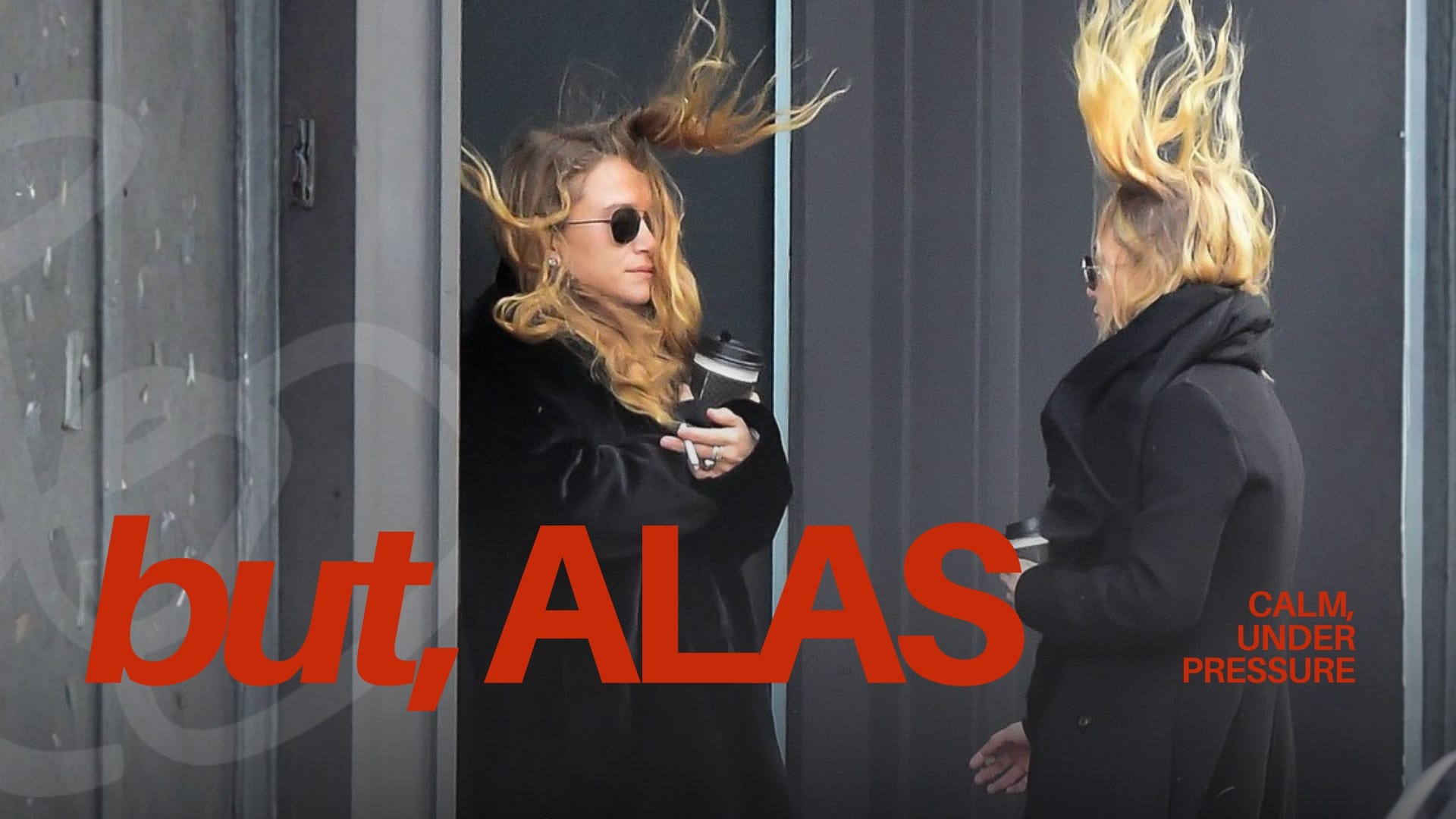
Let’s start here: If quiet luxury feels over-discussed, it’s because it is.
The TikToks breaking down “how to look expensive without trying.” The essays declaring the death of logos — followed immediately by their return. The endless debate over whether it’s timeless, elitist, or just beige with better PR.
We know the references by heart now.
The brands. The fabrics. The mood boards.
But alas — despite the saturation — the pull hasn’t gone away.
Generally speaking, clothing consumption continues to climb. But people are consistently buying with hesitation — and regret.1
Which suggests something more interesting than another trend cycle:
Quiet luxury isn’t a look.
It was a response.
And responses don’t expire just because the visuals get familiar. They linger — especially when the conditions that created them never really went away.
The moment it clicked (and why it wasn’t about clothes)
Quiet luxury didn’t arrive out of nowhere in 2023. Its components had been in circulation for years — pared-back tailoring, “investment” language, cost-per-wear calculations,2 a renewed respect for craft.
What changed was the atmosphere.
By early 2023, the post-pandemic adrenaline wore off. Layoffs turned “economic uncertainty” from a headline into a felt condition. Inflation made even small purchases feel like mental negotiations.
Buying grew heavier.
And quiet luxury didn’t try to make consumption exciting again.
In periods of instability, people don’t look for abundance. They look for steadiness. Calm starts to read as competence. Restraint reads as control.
Quiet luxury supplied a visual shorthand for that instinct: clothes that didn’t announce themselves, didn’t chase relevance, didn’t demand interpretation.3
Composure as status
This is where celebrity moments mattered — not as trendsetters, but as case studies.
When people fixated on Gwyneth Paltrow’s courtroom wardrobe or the characters in Succession, they weren’t admiring wealth in the abstract. They were watching how wealth behaves under pressure.
That distinction matters — and most coverage missed it.
Gwyneth in court: Dressing like you don’t need the verdict
MARCH 2023
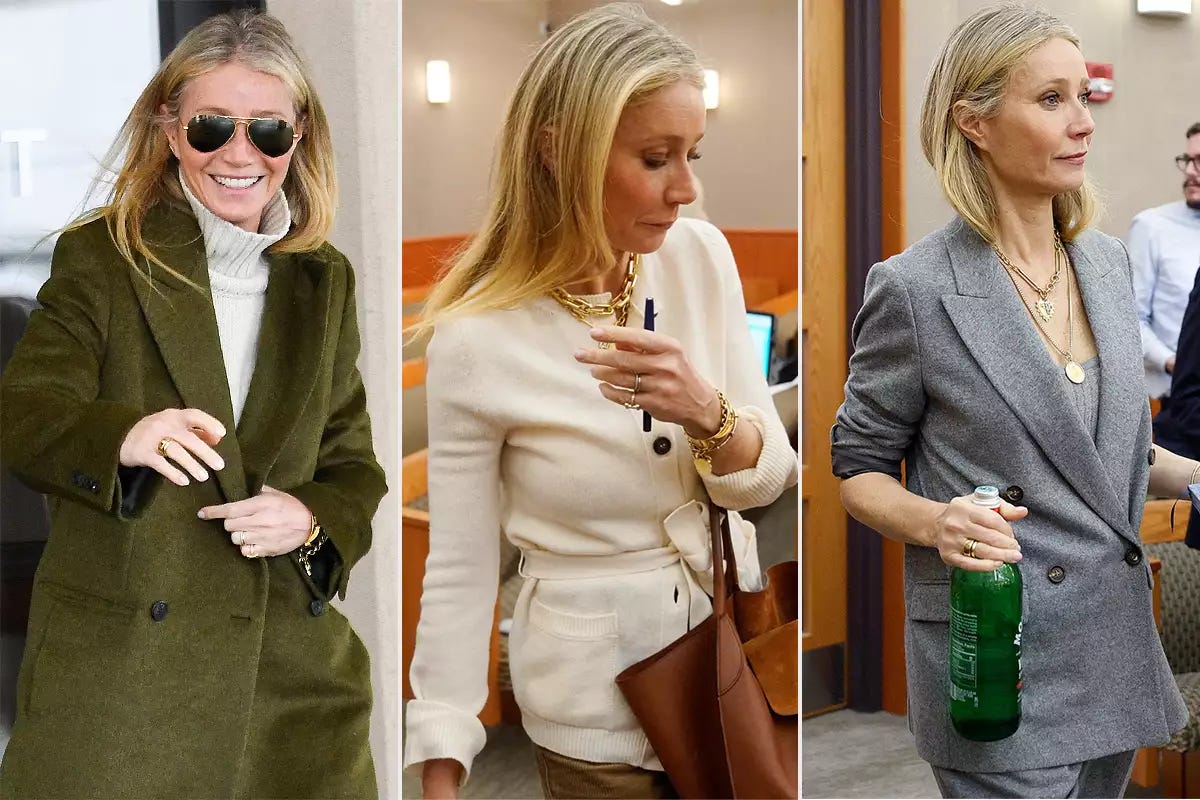
A courtroom is a high-surveillance environment. Every movement is scrutinized. Every detail becomes narrative. Nothing accidental survives.
In that context, clothing stops being decoration and starts acting like strategy.
Gwyneth Paltrow’s wardrobe was precise: neutral knits, unfussy coats, sensible bags. Not anonymity — refusal.
A refusal to overcorrect. A refusal to perform relatability. A refusal to explain herself visually while everyone else was busy explaining her.
That’s why it was so watchable.
Not because it looked expensive (plenty of things look expensive), but because it looked settled. And the internet ate it up:

Succession: The art of not trying
MARCH - JUNE 2023
Around the same time, Succession was running the same lesson on a loop — just sharper, colder, and scripted.
The show filmed wealth like surveillance footage instead of glamorizing it.4 Clothing functioned as social literacy, not self-expression.
Loudness read as insecurity. Subtlety read as fluency.
The goal wasn’t to look rich — it was to look like you’d stopped thinking about looking rich years ago.
When the series finale aired at the end of May, that subtext finally hardened into meaning. Retrospectives followed. Explainers proliferated. What viewers had absorbed intuitively was suddenly named.
And crucially, it was named against a harsher economic backdrop.
As outlets began reporting that most Americans were living paycheck to paycheck, quiet luxury took on tension. It stopped reading as just an aesthetic and started reading as behavior unfolding in plain sight — amid widening financial strain.
That’s why the now-immortal “ludicrously capacious” bag moment landed so hard. It wasn’t a joke about taste. It was a lesson in context.
The bag wasn’t wrong because it was ugly. It was wrong because it tried.
Status, in this world, isn’t about ownership. It’s about the appearance of not needing to reach.
When the feeling returned (and why that matters)
NOVEMBER 2025 - PRESENT
[Allow me to break the fourth wall for a moment.]
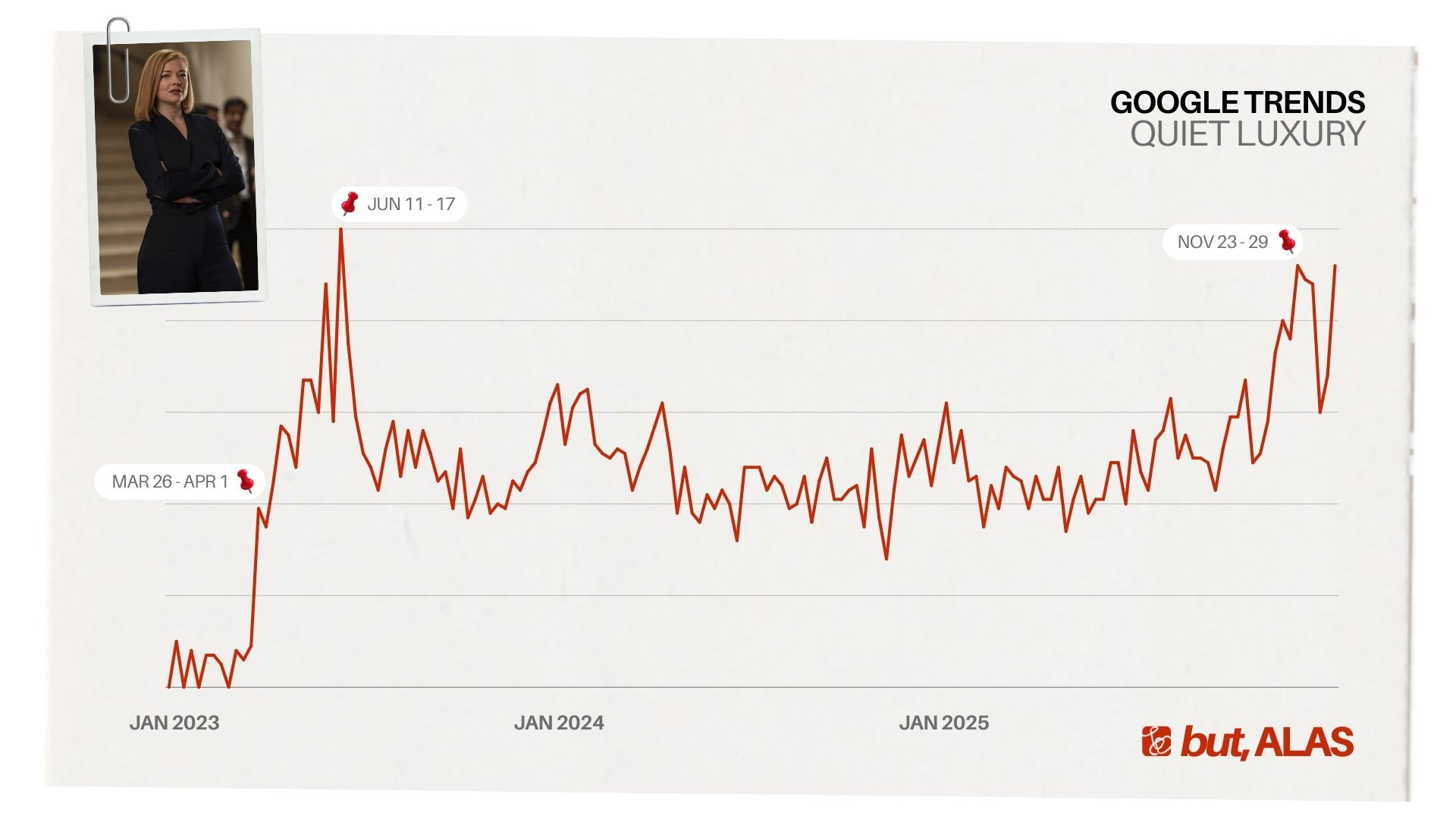
It’s December 1. And I’ve been seeing “quiet luxury” simmering in the zeitgeist again— not as trend reports or explainers, but casually. In captions. In comments. In the way people talk about what they don’t want to buy.5
So I checked Google Trends expecting a blip.
My dear reader, I was shocked to uncover it’s effectively back at its peak.
No show driving it.
No scandal.
No cultural spectacle.
Just… sustained interest.
That’s what stopped me.
Because when something resurfaces without a trigger, it’s no longer being carried by imagery. It’s being carried by habit.
Nothing new happened.
People just kept living.
And living has gotten tighter.
Why this isn’t about taste
Prices never really came back down. Promotions slowed. Layoffs stopped being shocking and became background noise. Even people who are “fine” move through the world with a low-grade sense of exposure — the feeling that one wrong choice could tip something loose.
In that environment, quiet luxury stops reading as taste. It reads as self-protection.
Not aspiration. Not virtue. Just the desire to stop making choices you’ll have to justify later.
To buy things that don’t need defending.
To wear things that don’t ask questions back.
To choose in ways that don’t come with an emotional hangover.
How “responsible” shopping gets soft-sold
In late November, quiet luxury didn’t re-enter culture through fashion week or celebrity moments. It re-entered through shopping media — framed not as aspiration, but as guidance.
“How to get the quiet luxury look at home — without breaking the bank.”
— Yahoo Shopping
“Buy this quiet luxury handbag for less this Black Friday.”
— Vogue
These weren’t essays about taste. They were decision aids — written for moments of hesitation. This is how trends actually scale.
Not when they’re declared — but when they become usable.
Quiet luxury gave editors and brands language for the dominant emotion of late 2025: caution. A way to sell restraint in a moment defined by excess. To say: you don’t have to opt out — you just have to choose carefully.
Quiet luxury didn’t interrupt consumption.
But marketers are now using it to make consumption feel safer.
When restraint is real — and when it’s just aesthetic
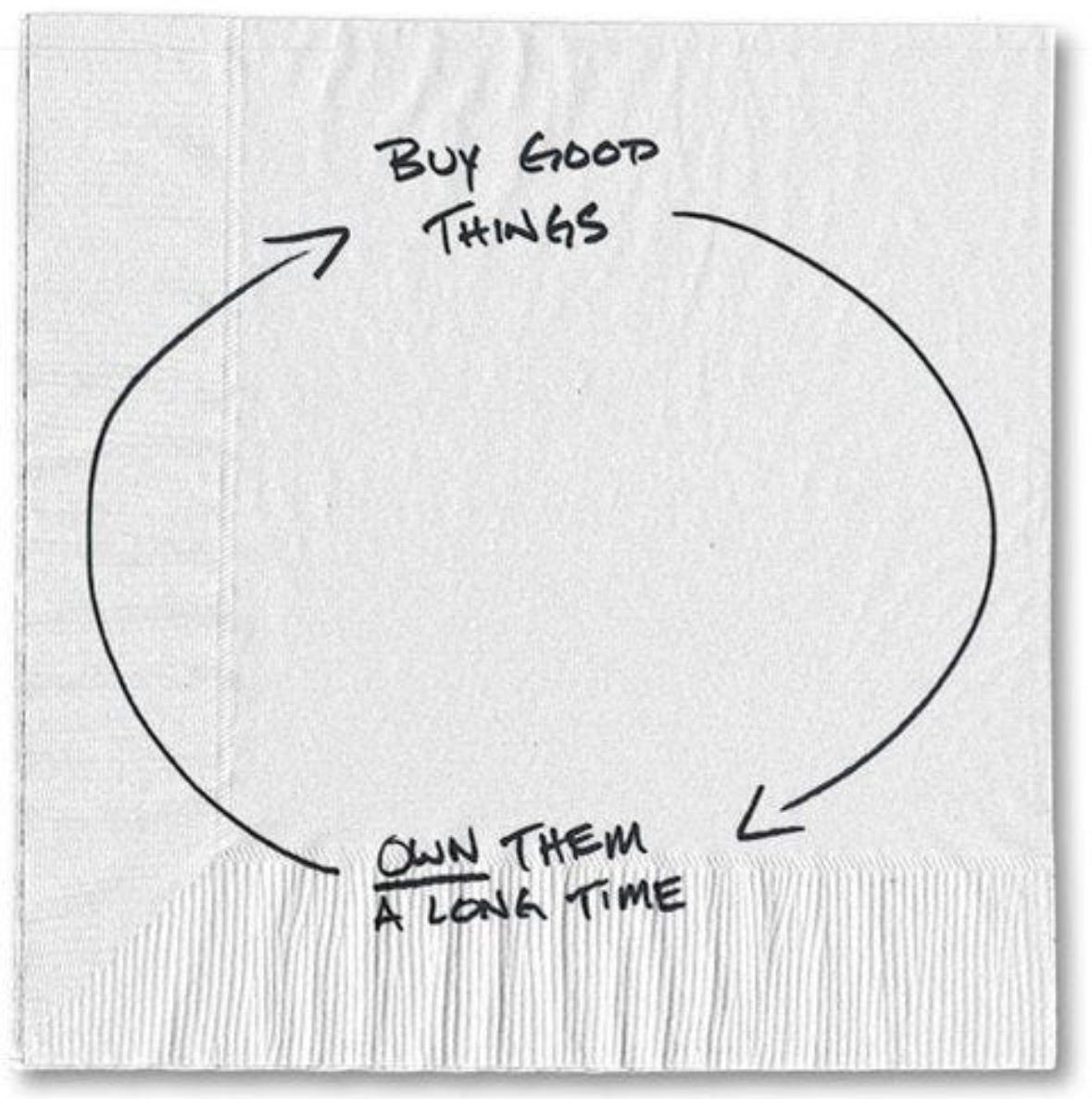
Quiet luxury works when fewer pieces genuinely replace more. When ownership time increases. When the clothes earn repetition instead of novelty.
It fails when restraint becomes costume. When beige replaces logos but volume stays the same. When “timeless” becomes permission rather than principle.
Quiet luxury only works if it’s quiet about more than branding.
It has to be quiet about urgency.
Quiet about validation.
Quiet about the constant need to upgrade yourself.
Otherwise, it’s just fast fashion in a lower voice.
The real questions beneath all of this
Quiet luxury isn’t a virtue.
It’s not a personality.
It’s not even a style, really.
It’s a question people keep asking at moments of pressure:
What’s worth owning?
What will I still like later?
What doesn’t ask so much of me?
If quiet luxury helps answer those questions, it works.
If it only changes how things look while behavior stays the same — it’s not a correction.
It’s just a quieter loop.
If there were a Bloomberg terminal for “fashion regret,” this would be easier. Instead, we have returns. Apparel remains one of the most frequently returned categories, with online purchases stubbornly flirting with a one-in-five reversal rate.
Returns aren’t spiking — they’re routine. Second-guessing has simply become part of the shopping experience. (National Retail Federation)
Whenever fashion starts borrowing vocabulary from finance, it’s usually because people are trying to make emotion feel rational.
Low cognitive load is an underrated luxury.
While Billions turns wealth into a dopamine sport and Emily in Paris and Gossip Girl sell it as escapist fantasy, Succession films money like a pathology report. No seduction. No swooning. Just observation.
Example —
Vintage fur, in; polyester, out.

I absolutely love your commentary and take on quiet luxury. I can tell you put so much thought and effort into your posts, and it is so refreshing to see. Can't wait to see what you write next! <3